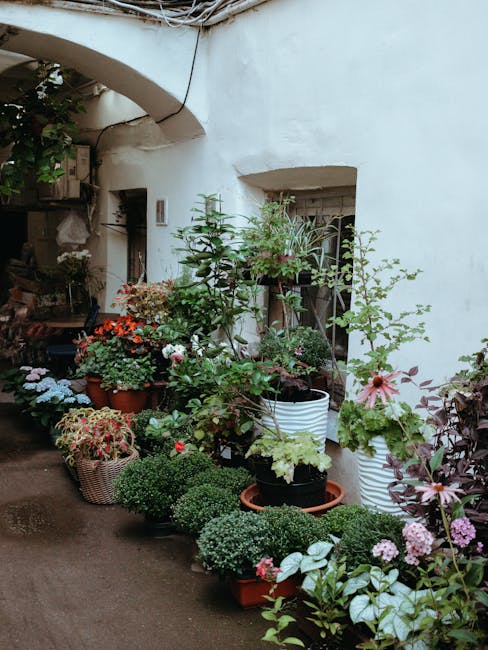
Affordable gardeners in E3 for small courtyard gardens

If you live in E3 and your outdoor space is more "tiny courtyard with big potential" than sprawling back garden, you already know the challenge. A small courtyard can feel awkward to maintain, easy to overcrowd, and surprisingly expensive if you don't approach it the right way. The good news? Affordable gardeners in E3 for small courtyard gardens can make a huge difference without turning a simple tidy-up into a drawn-out project.
This guide explains how to choose the right help, what a good gardener can realistically do in a compact London courtyard, how to keep costs sensible, and where small improvements have the biggest impact. Whether you want a cleaner-looking space, healthier planting, or a low-maintenance setup that actually works through the seasons, you'll find the practical stuff here. No fluff. Just useful, local, real-world advice.
Key takeaway: in a small courtyard, affordability usually comes from smart scope, clear priorities, and regular light maintenance rather than trying to "do everything" at once.
- Why affordable gardeners in E3 matter
- How the service works
- Key benefits and practical advantages
- Who this is for and when it makes sense
- Step-by-step guidance
- Expert tips for better results
- Common mistakes to avoid
- Tools, resources and recommendations
- Law, compliance, standards, or best practice
- Options, methods, and comparison table
- Case study or real-world example
- Practical checklist
- Frequently asked questions
Why Affordable gardeners in E3 for small courtyard gardens Matters
Small courtyards are a bit deceptive. They look simple at first glance, then suddenly the weeds are in the joints, the pots are congested, drainage is off, and one overgrown shrub has made the whole space feel half the size. In E3, where many homes and flats have tight outdoor areas, you need gardening help that is practical, tidy, and cost-aware.
That is exactly why affordable gardeners matter here. The right person won't try to sell you a dramatic overhaul you don't need. Instead, they'll focus on the things that actually improve a small courtyard: pruning without overcutting, clearing clutter, refreshing soil, making containers easier to maintain, and choosing plants that cope well with shade, wind, and city conditions. To be fair, a lot of courtyard problems are really design problems dressed up as maintenance problems.
A good local gardener also understands that affordability is not just about the hourly rate. It is about avoiding wasted visits, preventing plant losses, and making sure the space stays manageable over time. If you're near a busy road, a railway line, or a shaded terrace, those details matter more than people think.
For readers building a wider home-and-garden improvement plan, you may also find useful guidance in garden maintenance services and lawn care services if you have a mixed outdoor space rather than a purely paved courtyard.
How Affordable gardeners in E3 for small courtyard gardens Works
The best way to think about a courtyard gardening service is as a targeted maintenance plan, not a full-scale landscaping operation. In most cases, a gardener will begin by looking at what the space already has: paving, containers, raised beds, climbers, small trees, shade levels, drainage, access, and how much time you actually want to spend on it each month.
From there, the work is usually broken into manageable tasks. That might include a one-off clearance, a seasonal tidy, pruning, planting, repotting, jet washing in moderation, weed control, and then light follow-up maintenance. For small spaces, the best results often come from sensible sequencing. Sort the structure first, then the plants, then the finishing touches. Simple. Not always easy, but simple.
Local gardeners often work flexibly, which helps keep prices down. For example, if your courtyard only needs a 90-minute reset every few weeks, that may be far more affordable than scheduling a large monthly session. The trick is being honest about the space. Do you need a rescue job, or just steady care?
If you are comparing broader outdoor support, it can help to look at hedge trimming services and tree pruning services as separate elements, especially where courtyards share boundaries with taller planting or screening.
What a gardener can usually do in a small courtyard
- Cut back overgrown plants without stripping the structure away
- Remove weeds from paving, gravel, and container edges
- Refresh soil, mulch, and compost in pots or beds
- Rebalance planting so the space feels less crowded
- Improve drainage around containers and hard surfaces
- Set up a simple maintenance routine you can keep up with
It sounds basic, but these are the jobs that transform a courtyard from "slightly chaotic" to genuinely pleasant.
Key Benefits and Practical Advantages
The most obvious benefit is cost control. Affordable gardeners help you focus spend where it has the greatest visual and practical return. In a small courtyard, a few well-executed jobs usually do more than a long list of tiny, cosmetic tasks. That is especially true if your budget is limited and you want to avoid paying for unnecessary labour.
There is also a strong usability benefit. A courtyard that is easier to walk through, water, and clean is one you will actually use. And let's face it, a garden that nobody steps into because it feels untidy or fiddly is not really doing its job. It just sits there looking guilty on a damp Tuesday morning.
Another benefit is plant health. Courtyard gardens often suffer from compacted soil, crowded containers, and too much or too little light. A skilled gardener can spot these issues before they become expensive mistakes. That might mean moving a plant to a better position, reducing overcrowding, or choosing varieties that suit the microclimate.
For anyone wanting the space to feel more finished, it also helps to think in layers: clean surfaces, balanced planting, and a few reliable focal points. If you need more broader design help, landscaping services may be useful for structural improvements, while a garden clearance service can help reset an overgrown courtyard before regular maintenance begins.
| Benefit | Why it matters in a small courtyard | Typical practical outcome |
|---|---|---|
| Cost efficiency | You only pay for the tasks that make a visible difference | Less waste, better value |
| Space improvement | Small areas feel bigger when clutter and overcrowding are reduced | Cleaner lines and easier movement |
| Plant health | Courtyards can trap shade, moisture, or drought conditions | Better growth and fewer losses |
| Lower maintenance | Smarter planting and regular upkeep prevent big jobs later | Less stress, fewer urgent fixes |
Who This Is For and When It Makes Sense
This kind of service makes sense for a lot of E3 residents, especially if your courtyard is more functional than decorative. You may be renting and need the space presentable without investing in major changes. You may own a flat with a small patio or shared garden edge and want it maintained properly. Or perhaps you have a little outdoor space that has quietly got out of hand while life happened, which is, frankly, most of us at some point.
It is a good fit if you want:
- a one-off tidy before guests, a property listing, or spring/summer use
- regular maintenance without the cost of a full gardening package
- help making a cramped space feel calmer and more usable
- support with pruning, planting, repotting, and weed control
- practical advice on what to keep, remove, or simplify
It may be less suitable if you are expecting a large transformation on a very tight budget. A small courtyard can be improved dramatically, yes, but the work still needs a sensible plan. If you are comparing options, it is worth reading around services such as garden design if you want a more strategic layout, or patio cleaning if hard surfaces are the biggest issue.
Rhetorical question time: do you need a garden that looks like a magazine spread, or do you just want one that feels peaceful, tidy, and easy to live with? That answer changes everything.
Step-by-Step Guidance
If you want to get the best value from a gardener in E3, start with clarity. The more specific you are about the space and the result you want, the less time gets wasted on back-and-forth. Here is a practical way to approach it.
- Walk the courtyard and note the real issues. Is it weeds, drainage, congestion, dead plants, poor lighting, slippery paving, or just general neglect?
- Decide what matters most. For example: easier upkeep, better appearance, more planting, or safer surfaces.
- Take a few photos in daylight. This helps a gardener understand scale, access, and problem areas before quoting.
- Separate urgent jobs from nice-to-have jobs. Deadheading and weeding come first; decorative planting can wait.
- Ask for a simple plan. A good gardener should explain what they will do, in what order, and what can be left for later.
- Start with a small first visit if you are unsure. This is often the smartest way to test fit and value.
- Set a maintenance rhythm. In many courtyard gardens, a light monthly or seasonal visit is enough to keep things under control.
A small note that matters more than people expect: access. If tools need to be carried through a building, up steps, or via a narrow side passage, make sure this is mentioned upfront. It avoids awkward surprises and helps keep the visit efficient.
If your courtyard includes containers, ask about pot health too. A lot of plants fail simply because the pots are too small, the compost is tired, or water is draining straight through without holding enough moisture. Boring detail, yes. But that's often where the real fix begins.
Expert Tips for Better Results
In small spaces, the smartest garden work is usually restraint. A courtyard can become visually noisy very quickly, especially if there are too many plant shapes, colours, or decorative objects competing with each other. If you want the space to look better without overspending, simplify first.
Here are the habits that tend to deliver the best results:
- Use repeat planting. Two or three plant types repeated well often look calmer than ten different plants squeezed together.
- Choose containers carefully. Bigger pots can be better than lots of tiny ones because they hold moisture more evenly and reduce watering frequency.
- Prioritise structure. One trellis, one climber, one tidy evergreen, and one seasonal splash can look very polished in a courtyard.
- Keep surfaces clean. A swept patio instantly improves the whole space. It really does.
- Match plants to light levels. Shade-loving plants will often outperform "sun" plants that are forced to cope.
Another small but useful tip: ask a gardener what they would not do. That question often reveals experience. If they immediately suggest replacing half the garden, be cautious. Affordable work is usually about selective improvement, not over-intervention.
And if your courtyard is overlooked by neighbouring windows, think about screening before ornament. Privacy changes how the space feels, sometimes more than flowers do. Quietly, that can be worth more than a dozen seasonal displays.
Common Mistakes to Avoid
Small courtyard projects go wrong in very predictable ways. The good news is that most of them are easy to avoid once you know what to look for.
- Trying to do too much at once. A full makeover sounds exciting, but it can drain the budget fast.
- Choosing the cheapest quote without checking scope. A lower price only helps if the work actually covers what you need.
- Ignoring drainage and surface condition. A courtyard with water pooling or mossy paving will never feel properly finished.
- Overcrowding the space with plants. More plants do not always mean more beauty. Sometimes they mean more shade, more mess, and more work.
- Using the wrong plants for the light. A north-facing courtyard in E3 is not the place to force sun-lovers into survival mode.
- Skipping the maintenance plan. A tidy courtyard can slide back quickly if there is no simple follow-up routine.
One common misunderstanding is assuming that "affordable" means rushed or low quality. Not necessarily. It often means focused. The best gardeners know where effort pays off. They will prune for shape, not just size; weed methodically, not casually; and advise where a small investment now prevents a bigger job later. That's the sort of thing you want.
Tools, Resources and Recommendations
For small courtyard gardens, the right tools matter less than people think, but the right categories of tools matter a lot. A gardener working efficiently in a compact E3 space will usually rely on lightweight, precise kit rather than heavy machinery.
Useful tools and materials
- Hand trowel and hand fork for pots and tight beds
- Bypass secateurs for clean pruning cuts
- Weed puller or narrow weeding knife for paving joints
- Compost, mulch, and slow-release feed for tired containers
- Canes, ties, or trellis supports for climbers
- Watering can or hose with gentle spray setting for delicate planting
- Surface brush for regular debris removal
Materials are just as important. If you want the work to last, ask about compost quality, drainage layers in pots, and whether any plants need replacement with hardier options. For ongoing support, it may also be useful to explore seasonal garden tidy-up services or planting services if you want help refreshing a tired courtyard without starting from zero.
If you are comparing service providers, useful questions include: Do they bring their own tools? Do they remove green waste? Can they advise on low-maintenance planting? Do they know the difference between a quick tidy and a proper reset? Small questions, but they reveal a lot.
Law, Compliance, Standards, or Best Practice
For most small courtyard gardening work, there is not much formal compliance involved in the way there would be in construction or electrical work. Still, sensible best practice matters, especially in London where access, neighbours, noise, and waste handling can become awkward if nobody thinks ahead.
Here are the main points to keep in mind:
- Waste disposal: green waste should be handled responsibly. Ask whether removal is included or whether it will need separate collection.
- Neighbour consideration: in close terraces and flats, keep noise, shared access, and overspill tidy and courteous.
- Plant safety: if you have children, pets, or shared access, avoid known irritants or thorny planting in tight passages.
- Property boundaries: if the courtyard adjoins neighbouring areas, be clear about which side of a wall, fence, or boundary line is being worked on.
- Working at height or with tools: any pruning that involves ladders or awkward access should be handled carefully and appropriately.
There may also be local considerations if your courtyard is part of a managed block, leasehold property, or shared garden arrangement. In those cases, it is sensible to check permissions before making structural changes. Nothing dramatic here, just the usual grown-up housekeeping that saves arguments later.
If you want a more polished result while staying within accepted standards, ask for neat edging, clean cuts, and a clear follow-up recommendation. Those are simple markers of professional work.
Options, Methods, or Comparison Table
Not every courtyard needs the same type of help. Some just need a reset. Others need a bit of design thinking. Here is a simple comparison to help you choose the right approach.
| Option | Best for | Strengths | Possible drawback |
|---|---|---|---|
| One-off tidy | Overgrown or cluttered courtyards | Fast reset, clear visual improvement | Needs follow-up to stay tidy |
| Regular maintenance | Busy homeowners, renters, or shared spaces | Keeps costs predictable | Less dramatic immediate change |
| Planting refresh | Tired containers or patchy borders | Improves colour and structure | May need seasonal replacement |
| Light redesign | Courtyards with poor flow or awkward layout | Better use of limited space | Higher cost than a simple tidy |
In practical terms, a lot of people in E3 get the best value from starting with a tidy and then adding a maintenance visit or planting refresh later. That staggered approach is often easier on the wallet and kinder to the space, because you can see what actually needs attention before spending more.
Case Study or Real-World Example
Picture a small courtyard behind a terrace in E3. It has paving, three large containers, a scruffy climber, and a few weeds pushing through the joints. Nothing extreme. Just one of those spaces that looks a bit tired every time you open the back door.
The first visit focuses on the basics: clearing dead material, cutting back the climber, removing weeds, sweeping the paving, and assessing what the containers need. One pot is root-bound, another has poor drainage, and the third is too crowded with mixed planting that looked great in spring but now feels a little messy. Classic.
Instead of replacing everything, the gardener reshapes the setup. Two plants are moved into larger pots, the climber is tied neatly to a trellis, and the tallest, weakest growth is removed so the courtyard feels more open. A light mulch is added to improve moisture retention, and the paving is left clean enough that the whole area suddenly looks brighter in the late afternoon light.
The result is not a dramatic "before and after" fantasy. It is more grounded than that. The courtyard becomes usable again. It feels calmer. Easier to water. Easier to sit in with a cup of tea, even on one of those breezy East London evenings when the light starts fading around 7pm and everything smells a bit earthy after a light shower.
That's the real value of affordable garden help in a small space: not perfection, just a space that works.
Practical Checklist
Use this checklist before you book or brief a gardener. It helps keep the job focused and the budget under control.
- Define the main issue: weeds, clutter, overgrowth, poor drainage, or tired planting
- Measure the courtyard roughly and note access points
- Take clear photos in daylight
- Decide whether you want a one-off tidy or ongoing maintenance
- List the plants or features you want to keep
- Flag anything fragile, shared, or difficult to access
- Ask whether waste removal is included
- Confirm what tools and materials will be supplied
- Check whether the gardener can advise on low-maintenance planting
- Plan a simple follow-up routine for the next 4 to 8 weeks
If you can answer those points before the first visit, you are already ahead of the game. The job runs smoother, the quote is usually clearer, and the results tend to be better. Small effort upfront, less hassle later. Always a good trade.
Conclusion
Affordable gardeners in E3 for small courtyard gardens are not just a convenience. They are often the difference between a space that feels cramped and forgotten and one that feels calm, useful, and genuinely pleasant to step into. In a compact courtyard, the smartest work is usually targeted, tidy, and realistic. No grand gestures needed.
If you focus on the essentials, choose someone who understands small-space gardening, and keep the maintenance plan simple, you can create a courtyard that looks better and asks less of you. That is the sweet spot. The one that lasts.
If you are ready to compare options and make the most of your outdoor space, start with a clear brief and a budget you feel comfortable with. Then build from there, one sensible step at a time.
Get a free quote today and see how much you can save.
And if all you manage this week is a tidier corner, that still counts. Little by little, a good courtyard comes back to life.
Frequently Asked Questions
What do affordable gardeners in E3 for small courtyard gardens usually include?
They usually include targeted maintenance such as weeding, pruning, tidying, container care, light planting, and general courtyard clean-up. The exact scope depends on your space and budget.
How often should a small courtyard garden be maintained?
Many small courtyards do well with a light monthly visit or a seasonal tidy, though high-growth planting may need more frequent attention. The right schedule depends on light, planting density, and how much use the space gets.
Is a one-off garden tidy enough for a small courtyard?
Sometimes yes, especially if the main issue is a reset after neglect. If you want the space to stay neat, a one-off tidy works best when followed by simple ongoing care.
How can I keep costs down when hiring a gardener in E3?
Be clear about priorities, provide photos in advance, combine tasks into one visit, and remove clutter before the gardener arrives. A focused brief usually saves time and money.
What should I ask before booking a gardener?
Ask what tasks are included, whether waste removal is covered, what tools they bring, how long the work is likely to take, and whether they have experience with small urban courtyards.
Can a small courtyard be made low-maintenance?
Yes. Using hardy plants, larger containers, good compost, fewer plant varieties, and a simple layout can reduce upkeep a lot. Low-maintenance does not mean no-maintenance, though.
Do I need a gardener or a landscaper for a courtyard?
If the job is mainly cleaning, pruning, planting, and upkeep, a gardener is usually enough. If you want to change the layout, surfaces, or overall design, a landscaper may be more suitable.
What are the biggest problems with small courtyard gardens?
The most common issues are poor drainage, too much shade, overcrowding, weeds in paving, and planting that is not suited to the conditions. These problems are very common in urban London spaces.
Can gardeners help with potted plants and containers?
Yes. Container planting is often a big part of courtyard garden work. A gardener can refresh compost, repot plants, replace tired specimens, and improve drainage and watering habits.
Are there any rules I should think about for courtyard gardening in London?
There are usually no special rules for basic garden maintenance, but you should consider shared access, neighbour impact, waste disposal, and any leasehold or management permissions if you plan bigger changes.
How do I know if a quote is fair?
A fair quote should clearly state what is included, how long the work should take, and whether materials or waste removal are extra. If the scope is vague, ask for clarification before agreeing.
What results can I realistically expect from a small budget?
With a modest budget, you can often achieve a much tidier, more usable space by focusing on cleaning, pruning, weed removal, and a few high-impact planting improvements. It may not become a magazine courtyard overnight, but it can absolutely feel better.