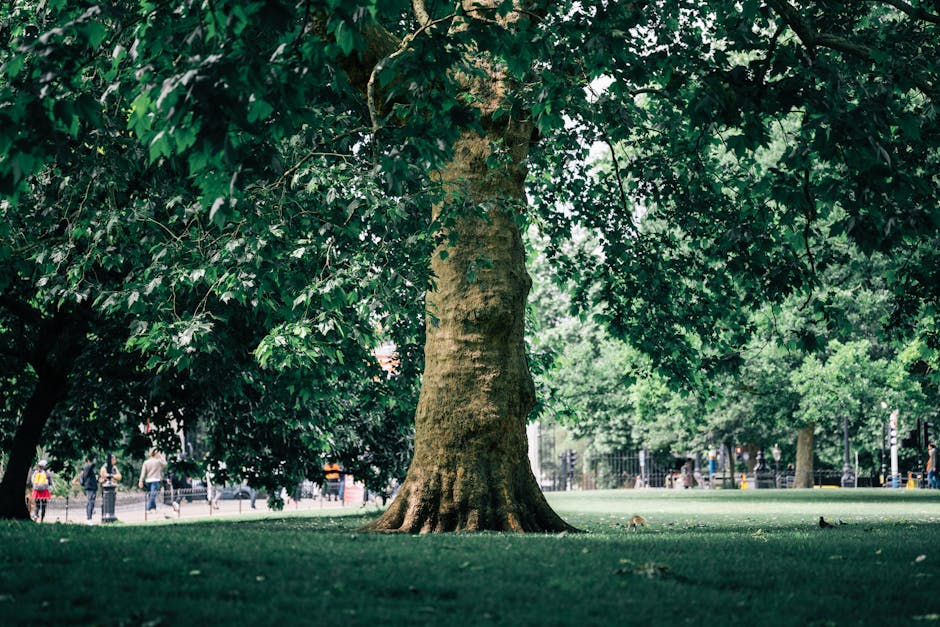
Permits for Tree Work in Bow: What Gardeners Must Know
If you are planning tree pruning, crown reduction, stump removal, or a full tree take-down in Bow, the permit side of the job can be the bit that catches people out. A tree may look straightforward from the street, but in London the paperwork can be just as important as the chainsaw. Permits for tree work in Bow what gardeners must know is really about understanding when consent is needed, who checks it, and how to avoid delays, fines, or awkward conversations with neighbours. Let's face it, nobody wants to finish a tidy garden job only to discover the work should have been approved first.
This guide explains the basics in plain English: when tree work may need permission, how the process usually works, what gardeners should check before starting, and the practical risks of getting it wrong. It also covers best practice, common mistakes, and a simple checklist you can use before booking work. If you need broader help with outdoor maintenance as well, it can be useful to look at garden maintenance support alongside any tree project, because tree work rarely happens in isolation.
Table of Contents
- Why permits for tree work in Bow matter
- How the permit process usually works
- Key benefits and practical advantages
- Who needs this and when it makes sense
- Step-by-step guidance
- Expert tips for better results
- Common mistakes to avoid
- Tools, resources and recommendations
- Law, compliance, standards and best practice
- Options, methods and comparison
- Case study or real-world example
- Practical checklist
- Conclusion
- Frequently asked questions
Why Permits for Tree Work in Bow Matter
Tree work is not just a gardening task. In many cases, it touches planning rules, conservation controls, property boundaries, and safety duties. In Bow, that matters because the local built environment is dense, trees are often close to homes or pavements, and shared boundaries can make even a small prune feel complicated.
The big reason permits matter is simple: once a tree is protected, or work affects a protected area, you may need formal approval before touching it. That approval can relate to a Tree Preservation Order, conservation area status, lease restrictions, or a planning condition tied to the property. Sometimes it is not the tree itself that triggers the issue, but the location and the scale of the work. A gardener trimming a hedge in the rain can probably get on with it. A mature street-facing tree with a trunk right on a boundary line? Different story.
Getting this wrong can cause avoidable stress. The work may have to stop midway, neighbours may complain, or you may need to undo a decision after the fact. Worse still, if a protected tree is damaged without permission, there can be enforcement consequences. That is why careful checks before the first cut are worth their weight in gold.
Practical summary: if a tree in Bow looks established, prominent, boundary-adjacent, or part of a street-facing setting, treat permission checks as part of the job briefing, not an afterthought.
For homeowners, landlords, and local gardeners, the key is not to panic. Most tree jobs do not require complicated paperwork. But the jobs that do need consent are exactly the ones where the stakes are higher, so a little care up front saves a lot of bother later.
How Permits for Tree Work in Bow Works
There is no single universal "tree work permit" that covers every situation. In practice, the process depends on why the tree is sensitive and what type of work is being proposed. Gardeners should think in layers.
- Check whether the tree is protected. This may include a Tree Preservation Order or conservation area controls. If a tree is protected, even routine-looking pruning can need approval.
- Clarify ownership and boundaries. A tree on the line between properties can be shared in practical terms, even if ownership is disputed. You do not want to prune a neighbour's tree on the assumption it is yours. That ends badly more often than people expect.
- Consider the scope of work. Light maintenance is different from major crown reduction, large limb removal, or felling. The more substantial the work, the more likely permission is required.
- Check for other constraints. Planning conditions, lease terms, landlord rules, or estate management agreements may add extra steps even if the tree itself is not formally protected.
- Document the proposal. Good jobs have notes, photos, and a clear description of the work. That makes any permission request much easier and gives everyone a shared record.
In day-to-day terms, the process is usually fairly practical. Someone identifies the tree, assesses the work, and confirms whether approval is needed before scheduling. If a permit or consent is necessary, you should wait for that to be in place before any cutting starts. No shortcuts there. Not worth it.
For larger or more technical jobs, it is sensible to use a specialist tree service rather than treating it like standard garden tidying. A dedicated tree lopping and removal service is better placed to assess risk, prepare the right evidence, and work safely around structures, power lines, fences, and footpaths.
Key Benefits and Practical Advantages
Understanding permits is not about red tape for the sake of it. Done properly, it protects the tree, the property, and the people doing the work. There are some very practical benefits.
- Fewer delays: knowing what needs approval means the job can be scheduled properly instead of stopping halfway through.
- Lower risk of disputes: clear permission reduces neighbour arguments and boundary confusion.
- Better safety: formal checks encourage proper planning, which matters when heavy branches, saws, and ladders are involved.
- Improved evidence: if questions arise later, you have a record of what was agreed and why.
- More professional work: clients tend to trust gardeners who explain the process clearly, not those who wave away the paperwork.
There is also a quieter benefit. A good permit check forces everyone to slow down for ten minutes and ask the right questions. That alone prevents a surprising number of bad decisions. You will notice this most when the tree is near a wall or driveway and the instinct is to "just sort it." That instinct is exactly where problems start.
For garden projects that involve wider site tidying, pairing tree work with garden clearance or landscaping support can make the whole job more efficient, as long as all permissions and safety checks are considered together rather than separately.
Who This Is For and When It Makes Sense
This topic matters to several groups, and each one has a slightly different angle.
- Homeowners: you may be planning pruning for light, safety, or appearance reasons, but the tree could still be protected.
- Landlords and letting agents: you need to keep tenants safe while also avoiding compliance errors and unnecessary costs.
- Gardeners and landscapers: you are often the first person asked to "just take a look," so knowing when to pause is essential.
- Property managers: you may need records, approvals, and contractor coordination across multiple plots or shared spaces.
- Neighbouring owners: if branches overhang your side, you may have rights to manage them in some situations, but you still need to be careful about what is allowed and what is not.
It makes sense to pay attention to permit issues whenever the work is more than simple routine trimming. A small annual tidy of a young ornamental tree is one thing. A mature lime, oak, or street-visible specimen near a conservation-sensitive setting is something else entirely. The job can look innocent from the patio and still need formal checks.
If you are already arranging seasonal garden work, it is often worth coordinating tree inspection with regular upkeep through services overview planning, so nothing gets missed in the handover between different tasks.
Step-by-Step Guidance
Here is a straightforward process gardeners can follow before any tree work begins in Bow.
- Identify the tree and its location. Note whether it sits in the front garden, rear garden, on a boundary, or close to the pavement. Street-facing trees deserve extra caution.
- Take clear photos. Capture the whole tree, the trunk base, nearby structures, and any visible damage or decay. Photos are helpful even if permission is not needed.
- Check protection status. Ask whether the tree is subject to a preservation order or located in a conservation area. If you are unsure, assume it might be until confirmed otherwise.
- Define the exact work. Be precise: crown lift, deadwood removal, thinning, reduction, or felling. "Tidying it up" is too vague to base a decision on.
- Assess risk and access. Look at overhead hazards, garden access, root spread, nearby glass, sheds, or boundary walls. Some jobs need more than a ladder and a good attitude.
- Confirm whether approval is needed. If the tree is protected or the works are substantial, stop and seek the right consent first.
- Agree scope in writing. Make sure the client, contractor, or property manager is clear on what is included and what is not.
- Schedule the work only after checks are complete. A nice dry Saturday is tempting, but the paperwork needs to come first.
A small but useful habit is to keep a simple project note: tree location, photo date, proposed work, and permission status. It takes minutes and can save hours later.
Expert Tips for Better Results
Here are the things experienced gardeners and tree contractors tend to do well, even on jobs that seem routine.
Tip 1: Treat uncertainty as a stop sign. If you cannot confidently confirm whether a tree is protected, pause. Do not "guess and go." That is how unnecessary trouble starts.
Tip 2: Distinguish maintenance from alteration. Light maintenance and shaping may be acceptable in some cases, while heavier reductions or felling are much more sensitive. The difference matters more than people think.
Tip 3: Use plain language when describing the work. If you are asking for permission or briefing a contractor, say exactly what will happen. "Remove dead wood from upper canopy and reduce one overextended limb" is better than "sort the tree out."
Tip 4: Think about the aftermath. Tree work often leaves chip, brash, sawdust, and a surprising amount of mess. If access is tight, plan disposal as part of the job. That is where a tidy follow-on service can help, especially if the work is linked to recycling and sustainability expectations.
Tip 5: Protect nearby surfaces and planting. A good tree job should not smash a border bed, crush a lawn, or scar paving. Small details, but they matter. You can tell a careful team by the way they set up before they cut.
Tip 6: Be honest about tree condition. If there is decay, split limbs, fungal growth, or storm damage, the job may need more than a standard gardening approach. Better to say so early than to pretend it is just another trim.
One more thing: the best contractors do not rush the conversation. If the person you are speaking to never asks about permissions, that is a warning light. Not always, but often enough.
Common Mistakes to Avoid
Most permit problems are not caused by malice. They come from assumptions, and assumptions are expensive little beasts.
- Starting work before checking protection status. This is the biggest avoidable error.
- Assuming a tree on your side of a boundary is automatically yours to remove. It may not be.
- Confusing hedge trimming with tree work. They are related, but not the same, especially where a woody hedge has grown into tree-form.
- Using vague instructions. If the proposed work is unclear, permission checks become messy and errors creep in.
- Ignoring disposal and site cleanup. A "quick job" can leave more material than expected.
- Not keeping records. Photos, notes, and approvals help protect everyone involved.
- Choosing the cheapest quote without checking expertise. Cheap can be fine. Cheap and careless is another matter entirely.
A common local scenario goes like this: someone wants a front-garden tree reduced because it blocks light. The tree sits in a visible position, near the street, and the gardener is told to do it that weekend. On paper it sounds simple. In practice, it may need checks first. A little patience here beats a lot of explainings later, and nobody enjoys those.
Tools, Resources and Recommendations
You do not need a huge kit just to understand permit needs, but the right tools make assessment easier.
- Camera or phone: for clear photos of the tree, trunk, canopy, and surroundings.
- Notebook or digital notes: for recording location, work scope, and permission status.
- Site sketch: helpful when boundaries, access paths, or outbuildings complicate the setup.
- Basic measuring tape: useful if you need to show distances to walls, fences, or buildings.
- PPE knowledge: gloves, eye protection, helmets, and chainsaw protection may be necessary on the work itself, depending on the task.
As for recommendations, a reliable local gardener will usually combine tree assessment with general garden care, rather than treating it as an isolated job. That is why services such as garden maintenance and hedge trimming can sit naturally alongside tree work where the garden needs a fuller tidy-up.
If the project is part of a larger outdoor refresh, it can also help to compare broader options via landscape gardening and landscaping, because tree work often changes light levels, drainage, and the feel of the space afterwards. Funny how one branch can change the whole garden mood.
Law, Compliance, Standards and Best Practice
Tree work in Bow sits within a wider framework of UK planning, property, and safety practice. The exact permission route depends on the tree, the site, and the nature of the work, so it is better to think in terms of compliance principles rather than one fixed rule.
Good practice generally means:
- checking whether a tree is protected before work begins;
- keeping written records of instructions, photos, and approvals;
- making sure the person carrying out the work is competent for the task;
- managing access, falling material, and nearby property safely;
- using appropriate protective equipment and safe working methods;
- disposing of arisings responsibly;
- being careful where wildlife, nesting birds, or sensitive habitats may be present.
It is also sensible to separate legal permission from practical safety. A tree may be allowed to be worked on, but that does not mean it is safe to do so without the right kit or experience. Equally, a job may be technically safe to perform but still require consent first. Both sides matter.
For contractors and customers alike, the best standard is simple: do the paperwork, do the safety check, and then do the work. That sequence sounds obvious, but it saves headaches. If you are weighing up different providers, it helps to look at insurance and safety information as part of your decision, not as a box-ticking exercise.
Options, Methods and Comparison Table
Not every tree-related job needs the same level of approval or the same level of intervention. The table below gives a simple comparison to help you think clearly about the most common situations.
| Type of work | Typical permission risk | Practical note |
|---|---|---|
| Light pruning or deadwood removal | Low to moderate | May still need checks if the tree is protected or in a conservation area. |
| Crown reduction or reshaping | Moderate to high | Usually needs clearer justification and a more careful description of the work. |
| Felling a mature tree | High | Always treat as permission-sensitive until confirmed otherwise. |
| Stump grinding after removal | Variable | Often tied to the original tree work decision and site access constraints. |
| Boundary-related pruning | Moderate | Ownership, overhang rights, and neighbour consent may all come into play. |
This is not a legal rulebook, just a practical guide. The real point is to show how quickly risk rises as the work becomes more invasive or visible. If the job changes the tree's structure in a major way, assume more checks are needed. Simple as that.
Case Study or Real-World Example
A common Bow scenario involves a mature front-garden tree that casts shade over a small terrace and pushes leaves into a narrow path every autumn. The homeowner wants it "neatened up," and the gardener is asked to do it quickly before guests arrive at the weekend.
At first glance, it looks like a routine maintenance job. But once the tree is assessed, it turns out to be prominent from the road and close to the boundary. The gardener pauses, checks whether the tree is protected, and looks at the exact scope of the proposed work. A quick phone call and a few photos later, the job is held back until the right approval path is clear.
That small delay prevents a bigger problem. The owner still gets the work done, but in a controlled way, with the right level of care and no surprises from neighbours or enforcement. It is not glamorous. But it is the sort of sensible decision that keeps a project calm.
In practice, this is how good gardening looks: not flashy, just properly thought through.
Practical Checklist
Use this checklist before any tree work in Bow.
- Have I identified the tree species and exact location?
- Do I know whether the tree is protected or in a conservation-sensitive area?
- Is the tree on a boundary, or could it affect a neighbour's property?
- Have I taken photos of the tree and the surrounding area?
- Is the proposed work clearly described in plain language?
- Has anyone confirmed whether permission or consent is needed?
- Is the contractor suitably experienced for this specific task?
- Are access, waste removal, and cleanup included in the plan?
- Have safety issues been considered, including nearby structures and pedestrian areas?
- Is there a written record of the decision before work starts?
If you can tick these off, you are usually in a much safer position. Not perfect, perhaps, but much better.
Conclusion
Permits for tree work in Bow are not something gardeners should treat as an optional extra. They are part of doing the job properly, especially where trees are mature, visible, boundary-adjacent, or potentially protected. The best results come from a simple habit: check first, document everything, and only then schedule the work.
That approach saves time, protects clients, and makes the whole process feel more professional. It also gives you more confidence when a neighbour asks, "Are you sure that needed permission?" because you will already know the answer.
For gardeners, the real skill is not just cutting well. It is knowing when to stop, ask, and verify. That is the quiet mark of a good tradesperson, and it earns trust fast.
Get a free quote today and see how much you can save.
And if you want a tidy, well-managed result without the stress, it helps to work with a team that understands both the practical and compliance side of garden care. A careful start usually leads to a calmer finish, and that is worth a lot on a busy week.
Frequently Asked Questions
Do all tree jobs in Bow need a permit?
No, not all tree jobs need permission. Routine work on unprotected trees often does not, but protected trees, conservation area trees, and work affected by planning conditions can require approval.
How do I know if a tree is protected?
You usually need to check whether it is covered by a Tree Preservation Order or sits in a conservation area. If you are unsure, ask before starting work. Guessing is a bad plan here.
Can I prune a neighbour's tree if branches hang over my garden?
Sometimes you may be able to cut back overhanging growth on your side, but you must avoid damaging the tree unfairly and you should still check whether the tree is protected. Keep it sensible and documented.
What counts as tree work rather than hedge trimming?
If the plant has developed a tree-like structure, a woody trunk, or substantial branches, it may be treated as tree work rather than simple hedge trimming. The distinction matters because the permission and safety checks can be different.
What documents should a gardener keep?
Keep photos, a short description of the proposed work, notes on ownership or boundaries, and any permission or consent details. A small record can save a big headache later.
Is crown reduction the same as cutting a tree down?
No. Crown reduction changes the size and shape of the canopy, while felling removes the tree completely. Both can be permission-sensitive, but felling is usually the bigger issue.
What if the tree is dangerous or storm-damaged?
Urgent safety work may still need to be handled carefully, but you should document the condition as much as possible before work begins. If it is an emergency, take photos and notes first if you safely can.
Do I need permission for stump grinding too?
Sometimes stump work is part of the wider tree decision, especially if the original tree was protected or removal was controlled. It is best to confirm the scope before booking it in.
How long does the permission process usually take?
That depends on the type of consent needed and who is checking it. There is no one-size-fits-all answer, so build a little time into your schedule and avoid leaving it to the last minute.
Can I start work while waiting for approval?
No, not if approval is required. Starting early is one of the most common mistakes and can create avoidable compliance problems.
What should I ask a gardener before hiring them for tree work?
Ask whether they have checked the tree's protection status, how they plan to manage safety, what waste disposal is included, and whether they are insured. A competent gardener should answer clearly and without fuss.
Is tree work in Bow different from other parts of London?
The basics are similar across London, but local site conditions, conservation controls, and property layouts can make Bow feel more sensitive in practice. Dense housing and limited access often mean more care is needed.