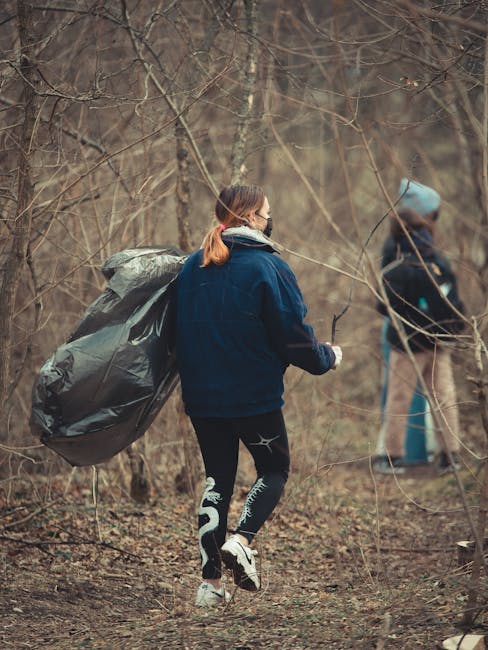
Tower Hamlets Council rules for gardeners removing waste in Bow
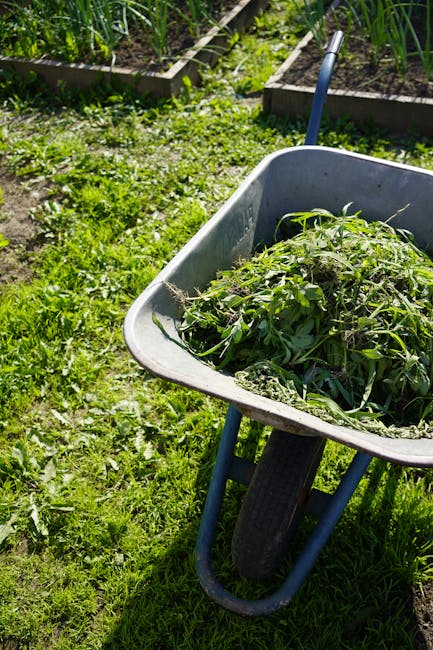
If you garden in Bow, waste removal is one of those jobs that looks simple right up until the bins are full, the sack splits, or you realise the clippings need to go somewhere proper. The Tower Hamlets Council rules for gardeners removing waste in Bow matter because green waste, mixed garden debris, and bulky cuttings all need handling in a way that is legal, tidy, and fair to the household or client. Get it wrong and you can end up with fly-tipping worries, complaints from neighbours, or a garden that feels half-finished on a damp Tuesday afternoon.
This guide explains what the rules usually mean in practice, how gardeners should think about disposal, what to avoid, and how to plan a cleaner job from start to finish. It is written for residents, landlords, tenants, and gardeners working in Bow who want a straightforward, no-nonsense explanation. And yes, it is easier when you know the rules before the first wheelbarrow moves.
- Why it matters
- How it works
- Key benefits
- Who needs this
- Step-by-step guidance
- Expert tips
- Common mistakes
- Tools, resources and recommendations
- Law, compliance and best practice
- Options and comparison
- Real-world example
- Practical checklist
- Conclusion
- Frequently asked questions
Why Tower Hamlets Council rules for gardeners removing waste in Bow Matters
Garden waste is not all the same, even if it looks like a pile of leaves and cuttings by the end of the job. There is green waste, soil, roots, branches, timber offcuts, packaging from materials, and sometimes even a bit of household rubbish mixed in by accident. Once it is mixed, disposal becomes more awkward, more expensive, and more likely to cause trouble.
In Bow, that matters for a few practical reasons. First, public streets are busy, and waste left outside for too long can look untidy fast. Second, waste that is not separated properly can be mistaken for fly-tipping, which nobody wants linked to their address or business. Third, gardeners often work on tight schedules, so if removal is not planned properly, the last hour of the job turns into the messiest part.
To be fair, most problems are avoidable. A clear plan for what leaves the site, who is responsible for it, and where it goes will keep the job smooth. That is why many gardeners pair clearance work with services like garden clearance or broader garden maintenance, especially when a property has been neglected for a while and the waste volume is unpredictable.
Practical takeaway: the safest approach is to assume every garden waste load needs sorting, securing, and tracing before it leaves the property. Clean habits save time later.
How Tower Hamlets Council rules for gardeners removing waste in Bow Works
At a practical level, the council framework shapes how waste should be handled from the moment it is cut or dug up. Gardeners generally need to think in four stages: separating the waste, storing it safely on site, moving it without causing a nuisance, and disposing of it through an appropriate route.
1) Separate the waste properly
Start by sorting green waste away from mixed rubbish. Grass, hedge trimmings, leaves, and soft plant material are usually easier to deal with than soil, rubble, broken pots, and timber. Branches may need bundling, while thorny cuttings and heavy root balls need stronger sacks or bins. A quick sort at source stops the whole load becoming awkward later.
2) Keep the site tidy while the work is in progress
If waste is being accumulated while the gardener is still working, it should be contained safely. That means no loose piles across pavements, no bags left where they can split, and no blocking entrances. In a dense part of London like Bow, space is tight anyway. One windy gust and a light pile of clippings can travel a surprising distance.
3) Use a lawful removal route
This is the part people often gloss over. Waste should be taken to an approved disposal or transfer route, not dumped in a lane, on a verge, or in a neighbour's communal bin without permission. If a gardener offers removal as part of the job, they should be able to explain what happens to the waste in plain English. Not the vague version. The proper version.
4) Keep the responsibility clear
Householders sometimes assume that once a gardener lifts the bags, the issue is gone. But responsibility can still matter if the removal route is poor or if the waste was not classified properly. Good gardeners make the handover clear: what is included, what is extra, and what will happen if there is more waste than expected.
If you are comparing service levels, it helps to look at the provider's broader standards too. Pages like insurance and safety and health and safety policy can give a better picture of how seriously a business treats waste handling, access, and site protection.
Key Benefits and Practical Advantages
When waste removal is handled correctly, the benefits are immediate and fairly visible. The garden looks finished, the driveway stays clean, and there is less chance of a follow-up call about missing bags or a blocked alleyway. Simple stuff, but it makes a real difference.
- Cleaner presentation: the garden looks complete rather than half-done.
- Lower nuisance risk: less mess, less smell, fewer complaints from neighbours.
- Fewer compliance headaches: proper handling reduces the risk of fly-tipping concerns.
- Better planning: gardeners can estimate labour and removal time more accurately.
- Improved sustainability: green waste can often be dealt with more responsibly when it is separated early.
There is also a commercial benefit for gardeners. A well-managed waste process is easier to quote for and easier to explain. That matters if you are building trust with clients who want clarity, not surprises. If cost transparency is a concern, it may help to review pricing and quotes before work begins.
And here is the quiet truth: people remember the tidy finish. They might not notice every snip of hedge work, but they will definitely notice if the pavement is left with soil smears and broken bags.
Who This Is For and When It Makes Sense
This topic is relevant to several different people, not just professional gardeners. In Bow, the typical situations include front gardens, shared access paths, small rear yards, rental properties, and compact terraces where waste builds up quickly.
Homeowners
If you are having shrubs cut back, beds cleared, or a lawn reworked, you may need to decide whether the gardener should remove the waste or leave it for your own bins. If your household bin is already full, that decision is easy. If it is not, think carefully about volume and timing.
Landlords and letting agents
Vacant or overgrown gardens can produce a lot of waste in one visit. A clear removal plan avoids awkward disputes about what was included and whether the tenant or landlord pays. It also keeps the property presentable for inspections, which never hurts.
Gardeners and contractors
For working gardeners, the rules matter because they affect workflow, transport, and risk. A company offering hedge cutting, seasonal clearance, or regular upkeep should have a repeatable process, especially if they work across multiple Bow properties in one day. Services such as hedge trimming, lawn mowing, and tree lopping and removal often create different waste streams, so one method does not fit all.
Communal and shared properties
Shared entrances, back passages, and communal bins add another layer. In those settings, garden waste should not be left where residents or cleaners have to step around it. A bit of planning saves a lot of eye-rolling, frankly.
Step-by-Step Guidance
If you want the easiest way to handle waste removal in Bow, use a clear process from the start. No improvising once the bins are already overflowing.
- Inspect the garden before work starts. Check how much waste is likely to come out, what type it is, and whether there are access issues such as narrow gates, steps, or shared hallways.
- Separate waste as you go. Keep green waste distinct from soil, broken materials, and general rubbish. This speeds up sorting and reduces contamination.
- Decide who is responsible for removal. The client may want it taken away by the gardener, or they may prefer to manage disposal themselves. Spell it out early.
- Prepare the right containers. Use sacks, bins, crates, or bundles that suit the material. Overfilled bags are a nuisance waiting to happen.
- Protect the route out of the property. If waste will pass through hallways or over paving, use care. Mud and shredded leaves are slippery and easy to track indoors.
- Load safely and secure everything. Loose clippings on a van floor are just asking for trouble. Keep loads contained and stable.
- Dispose of the waste through an appropriate route. Whether the waste is green, mixed, or bulky, it should go where it is permitted to go. Simple as that.
- Leave the site clean. Sweep paths, check corners, and look behind bins. Little bits matter more than people think.
If you are planning a larger tidy-up, pair the removal process with a broader garden clearance job rather than treating disposal as a separate afterthought. The job feels more coherent, and the waste plan usually becomes easier to manage.
Expert Tips for Better Results
After enough garden jobs, patterns emerge. The ones that go smoothly are usually the ones where waste was planned before the first cut was made. A few practical tips can save a lot of time.
Use waste volume as part of the quote
If you are a gardener, do not treat waste removal as an optional extra unless it truly is. A hedge reduction can create far more material than a client expects. Give a range where necessary and explain what happens if the load grows. Clients appreciate honesty, even when the price changes a little.
Keep green waste clean
The cleaner the waste stream, the easier it is to manage responsibly. Soil, stones, plastic ties, and damaged pots all complicate disposal. A quick sweep with gloved hands can improve the whole load.
Think about weather
In Bow, a wet morning can turn a tidy job into a muddy one fast. Rain makes sacks heavier, access slippery, and vehicle loading less pleasant. If the forecast looks miserable, adjust the sequence so the dirtiest work happens earliest. Your boots will thank you.
Plan for awkward access
Terraced streets, basement gardens, and narrow side returns can be more challenging than the actual cutting. Measure the route in your head before moving waste. A full bag that cannot fit through a gate is the kind of problem nobody wants at 4:30 pm.
Use a sustainability mindset
Good waste practice is not only about compliance. It is also about reducing unnecessary disposal. Reuse some material as mulch where suitable, compost clean green waste where possible, and keep recyclable or reusable items separate. The site page on recycling and sustainability is a useful reminder that better waste habits often make business sense too.
Common Mistakes to Avoid
Most waste issues come from rushing. There is usually a moment where someone thinks, "It'll be fine, we'll sort that later." Later is where the trouble starts.
- Mixing everything together: green waste, rubble, and household rubbish should not be lumped into one pile.
- Leaving sacks unsecured: bags split, leak, and blow around far too easily.
- Blocking shared access: this can cause complaints quickly, especially in denser streets.
- Assuming the client's bins are enough: they often are not.
- Underestimating hedge or tree waste: dense material always produces more volume than expected.
- Ignoring cleanup at the end: a few stray cuttings can make a professional job look sloppy.
A slightly awkward truth: a beautiful border can still look careless if the path is full of leaf litter. People notice the path first when they walk in.
Tools, Resources and Recommendations
You do not need fancy gear to manage waste well, but you do need the right basics. The best tools are often the boring ones, which is maybe why people ignore them until they are missing.
| Item | Why it helps | Best use |
|---|---|---|
| Heavy-duty sacks | Contain clippings and light waste safely | Hedge cuttings, leaves, small prunings |
| Tarpaulin sheets | Makes loading cleaner and faster | Collecting waste from a central point |
| Wheelbarrow or garden cart | Reduces trips and spillage | Moving material through narrow access routes |
| Rakes and stiff brushes | Helps remove fine debris | Final clean-down of paths and borders |
| Gloves and sturdy footwear | Protects hands and reduces slips | All removal and loading work |
For service planning, the most useful pages are the ones that explain how the business works, not just what it cuts. It is worth checking services overview if you want a broader picture of what can be bundled together, or about us if you want to understand the company's approach before booking.
Law, Compliance, Standards, or Best Practice
This is the section where people often want a hard line, but the honest answer is that waste handling should be based on current legal duties, council expectations, and accepted UK waste practice. If you are unsure about a specific disposal route, you should check the latest official guidance directly before you act. That is the careful answer, and it is the right one.
At a general level, the key compliance ideas are straightforward:
- Do not dump waste illegally. Fly-tipping can create serious problems for both the person who left it and the person responsible for it.
- Keep waste traceable. A reputable gardener should know where waste goes and be able to explain the route.
- Separate waste streams where practical. This supports better recycling and reduces contamination.
- Use safe manual handling. Heavy bags, wet clippings, and root balls can strain backs and cause accidents.
- Respect shared spaces. Pavements, communal yards, and entrances should not be left obstructed.
Good practice also means using honest client communication. If the work produces more waste than expected, say so early. If access is difficult, say so before the van arrives. If something seems off, slow down and check. No drama, just good sense.
From a business trust perspective, policies such as terms and conditions and complaints procedure matter because they set expectations around scope, waste removal, and how issues are handled. That is reassuring for clients and useful for contractors too.
Options, Methods, or Comparison Table
There is more than one way to handle garden waste in Bow. The best choice depends on volume, access, and who wants responsibility for disposal.
| Method | Best for | Pros | Watch-outs |
|---|---|---|---|
| Client bin disposal | Small, light jobs | Simple and low-cost | Only works if bins have space and collection timing fits |
| Gardener removes waste | Medium to large garden jobs | Convenient and tidy | Needs clear pricing and a proper disposal route |
| Phased clearance | Overgrown or neglected gardens | More manageable, less rushed | Takes longer and may cost more overall |
| Mixed service with maintenance | Regular upkeep | Keeps waste levels predictable | Requires consistency and scheduling |
In many cases, a regular maintenance plan is the least stressful option. If the garden is kept under control, waste removal becomes a smaller task instead of a big one. That is why many clients combine one-off clearance with ongoing garden maintenance.
Case Study or Real-World Example
A typical Bow job might involve a small rear garden that has been left for a few months. The hedge has pushed out over the fence line, the lawn is patchy, and there are clippings from a previous trim still tucked behind a shed. Nothing dramatic. Just one of those spaces that slowly gets away from you.
The gardener arrives, walks the access route, and realises the side passage is too narrow for big bulk bags to move comfortably unless they are kept half-filled. So the job is adjusted. Hedge material is cut in stages, soft waste is kept separate from heavier debris, and a tarpaulin is used to collect the first load before it is bagged. The result is slower at the start, but cleaner all the way through.
At the end, the garden is brushed down, the path is swept, and the waste is removed in a controlled way. No stray branches in the alley. No muddy footprints inside. The client gets a usable space, not just a cut-down version of a jungle. And honestly, that final sweep is often the bit that people remember most.
Practical Checklist
Use this simple checklist before any gardener removes waste in Bow:
- Confirm who is responsible for waste removal.
- Estimate how much waste will be produced.
- Separate green waste from mixed rubbish.
- Check access routes, gates, and communal areas.
- Prepare sacks, tarpaulins, or bins in advance.
- Protect floors, paths, and entrances from mud and debris.
- Load waste safely and avoid overfilling containers.
- Make sure the disposal route is lawful and appropriate.
- Clean the site properly before leaving.
- Keep communication clear if the job changes on the day.
If you are unsure whether a bigger project needs removal, clearance, or just light upkeep, the safest route is often to review the scope early and then decide whether services overview or a more targeted job makes sense. A little planning goes a long way.
Conclusion
The Tower Hamlets Council rules for gardeners removing waste in Bow are really about something quite simple: keep waste controlled, keep it legal, and keep the site respectful for everyone around it. That means separating materials, avoiding mess on pavements and shared paths, using sensible disposal routes, and being honest about what the job includes.
For homeowners, it means fewer surprises and a cleaner finish. For gardeners, it means smoother work and fewer avoidable problems. For both sides, it means the garden gets back to being a pleasant place rather than a half-finished job with bags in the corner.
If you want the waste side of your garden work handled properly, it is worth choosing a team that treats clearance, safety, and sustainability as part of the job rather than an afterthought. That is usually the difference between "done" and properly done.
Get a free quote today and see how much you can save.
Frequently Asked Questions
Can a gardener remove garden waste from my Bow property?
Yes, many gardeners can remove waste as part of the job, but the key is making sure the removal route is appropriate and agreed in advance. It should never be left vague.
What counts as garden waste?
Garden waste usually includes grass cuttings, hedge trimmings, leaves, small branches, plants, and similar organic material. Soil, rubble, and household rubbish are different and often need separate handling.
Do I need to sort the waste before the gardener arrives?
It helps, but it is not always essential. A good gardener can sort material on site. Still, the cleaner the waste stream, the easier and quicker the removal becomes.
Can garden waste go in normal household bins?
Sometimes small amounts can, but that depends on bin space, collection timing, and what your local arrangements allow. Large jobs usually need a different solution.
What happens if the garden waste is mixed with soil or rubble?
It becomes more difficult to remove and may cost more because mixed waste is heavier and less straightforward to process. In practice, separating it early is usually the better option.
Why do people mention fly-tipping when talking about garden waste?
Because illegally dumped waste is a serious issue. If waste is not removed properly, it can create liability and cause problems for the property owner or contractor.
How can I tell if a gardener is handling waste responsibly?
Ask where the waste goes, how it is separated, and whether the service includes removal or just collection on site. Clear answers are usually a good sign.
Is waste removal included in all garden services?
No, not always. Some jobs include it, some charge separately, and some leave it to the client. It is best to check before work begins so nobody ends up guessing.
What should I do if my garden is very overgrown?
Start with a clearance plan rather than a quick tidy-up. Overgrown gardens often produce much more waste than expected, so staged removal is usually the calmer approach.
Are there sustainability benefits to proper garden waste removal?
Yes. Cleanly separated green waste can often be managed more responsibly than mixed rubbish, and that makes the whole process better for the environment and easier to organise.
What is the biggest mistake people make with garden waste?
Leaving disposal to the end with no plan. That is usually when bags get overfilled, access gets blocked, and the whole job becomes more stressful than it needed to be.
When should I ask for professional help?
If the waste volume is large, access is awkward, or you want the garden finished properly without the hassle, it makes sense to bring in a professional who can manage the removal from start to finish.